
Beer is one of the most popular drinks in the world. The foam on top—often called the "beer head"—is one of its most recognizable features. But what exactly is beer foam? And why does the same beer sometimes produce thick, lasting foam, while other times it disappears in seconds? For anyone working with beer equipment, foam is not just about looks. It affects how beer is brewed, poured, served, and enjoyed.
1. Why Does Beer Have Foam?
Beer is a low-alcohol drink. It is made mainly from malt and water. Hops are added, and yeast carries out fermentation. When judging beer quality, foam duration is one of the most intuitive standards.
Beer foam is not the same as the bubbles in sparkling wine or champagne. Those bubbles usually fade quickly. Beer foam, however, can last several minutes. It stacks layer upon layer on the surface and forms a thick head. The formation of beer foam relies heavily on bubble effects, a process technically known as "nucleation."
Beer foam is the frothy layer on top of the beer. It is produced by gas bubbles, mainly carbon dioxide, rising to the surface.The key components that support and stabilize this foam are proteins and polypeptides from malt (especially high-molecular-weight glycoproteins), iso-alpha acids from hops, and metal ions such as calcium and zinc. Carbon dioxide is produced naturally during fermentation; carbonation can occur before or after bottling. If the beer continues fermenting in the bottle, it naturally carbonates, and foam forms when the bottle is opened or the beer is poured. If the beer is pasteurized or filtered, the live yeast is removed, and it must be force-carbonated with pressurized gas.
The density and longevity of the foam depend on the type of malt and adjuncts used in fermentation. Different mashing schedules and grain sources all influence foam retention. In general, wheat tends to produce a richer, longer-lasting head than barley. For craft breweries running a 10 HL brewery equipment setup, this is one reason wheat beers often stand out on the tap list.
2. How Foam Affects Beer Flavor
First, once foam forms on the surface of the beer, the flavor changes noticeably. As foam accumulates, flavor-active compounds in the beer are carried into the foam layer, so the foam itself carries the beer's flavor.
Second, the unique mouthfeel of foam directly affects the drinking experience. In many cases, when bubbles burst on the palate, we associate the sensation with the "coolness" of mint or the "spiciness" of red pepper. This coolness and spiciness do not come from the temperature of the bubbles themselves, but from the physical perception of foam in the mouth. Fine, creamy foam softens the overall perception of the taste buds and can greatly alter the flavor expression of the beer.
Finally, human taste and smell are inherently interconnected. In fact, many people classify what they perceive through the nose as "flavor." This is similar to wine tasting, where aroma is an important criterion for judging wine quality, because smell affects taste. Foam brings more flavor to the surface and maximizes the release of the beer's aroma in front of the nasal cavity, helping us enjoy the beer's flavor more fully.
3. How Beer Equipment Affects Foam
For bars, breweries, and home brewers alike, the quality of foam is often determined long before the beer reaches the glass. The right beer equipment plays a critical role in producing and maintaining a proper head.
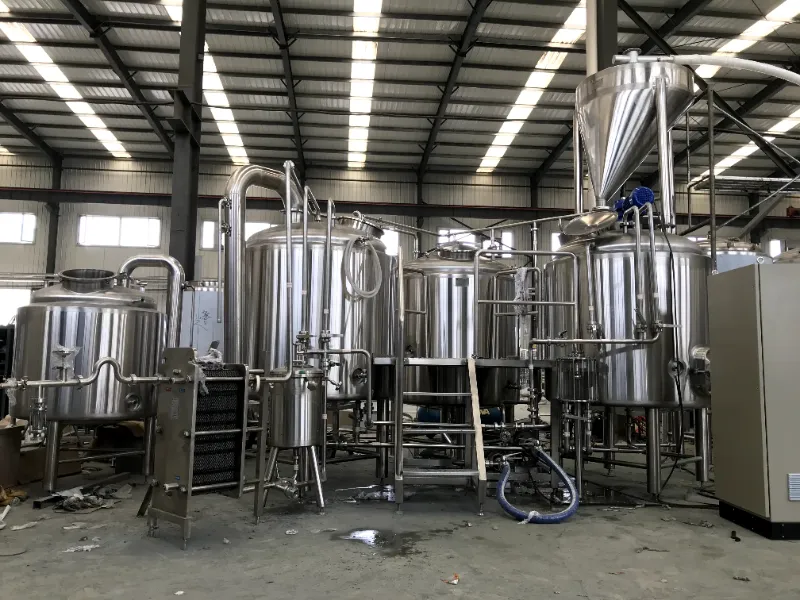
At the brewing stage, the size and design of your brewhouse matter. A 15 BBL brewing system, for example, gives you better control over mash temperature and wort clarity, both of which influence protein content and therefore foam retention.
At the tap, a well-designed draft beer faucet controls the flow rate and pressure, which directly influences how much foam is created during pouring. If the faucet is dirty, worn, or incorrectly adjusted, the result is often either a flat beer or an overflowing glass of foam.
Carbonation is another key factor. Whether you are using a kegging system or a full draft beer dispensing system, maintaining the correct CO2 pressure is essential. Too little pressure produces flat beer with no head; too much creates excessive foam and wasted beer. This is why a precise CO2 regulator is one of the most important pieces of equipment in any draft setup.
Temperature also matters. Warm beer lines cause CO2 to break out of solution before the beer reaches the glass, creating nothing but foam. A glycol chiller helps keep beer lines at the proper temperature from keg to tap, ensuring a stable, creamy head every time.
Finally, cleanliness cannot be overlooked. Beer lines that are not regularly cleaned can harbor bacteria and residue that destroy foam stability. Even the best faucets and towers cannot compensate for dirty lines.
Thank you very much for reading. If you have any comments or questions, please feel free to contact us. We look forward to hearing your feedback.