CIP, or cleaning in place, is a cleaning technology that cleans equipment, pipes, and valves on site without disassembly. Today, modern breweries at home and abroad widely adopt CIP cleaning systems for equipment, containers, and pipelines. The advantage is clear: operators do not need to dismantle equipment or pipes. Cleaning liquid and the equipment being cleaned connect through fixed piping to form a closed system, and cleaning then circulates through that system. This process replaces manual cleaning. Because no one needs to enter the container, it is easy to achieve aseptic operation and aseptic conditions. Moreover, the entire cleaning process is moving toward automation and program control.
Main Components of a CIP Cleaning System
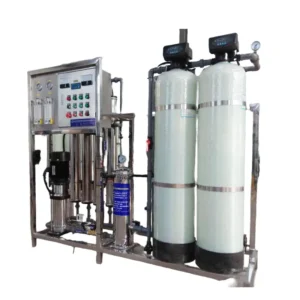
A CIP cleaning system mainly includes recovery tanks, alkali or acid tanks, sanitizer tanks, and sterile water tanks.
Performance Requirements of a CIP Cleaning System
- Tank volume must meet the requirements of the cleaning pump's 10-minute working flow.
- The return pump capacity should be 20%–30% higher than that of the output pump to prevent cleaning liquid from accumulating.
- Tanks themselves must have cleaning and drainage devices, an overflow pipe, and vent holes, with exhaust gas directed outdoors in a centralized manner.
- The CIP system equipment group should include an observation corridor with ventilation and lighting.
- Acid tanks, alkali tanks, and tanks holding corrosive media must carry clear safety and emergency markings. Tanks should have level gauges, thermometers, and other measuring and display instruments to monitor CIP system operation.
- Acid, alkali, and sanitizer tanks should have sampling valves for regular concentration checks.
Technical Key Points of CIP Cleaning Systems
Cleaning agents fall into single-use and circulating-use modes. Circulating cleaning is generally adopted because it uses less cleaning agent and consumes less energy, although it requires more floor space and higher initial investment.
Cleaning temperature falls into cold cleaning and hot cleaning. Cold cleaning is often used for large containers, while hot cleaning is used for small containers, pipelines, and equipment. For large-volume equipment such as fermentation tanks, the cleaning temperature must not exceed 45°C.
Cleaning devices are generally used to clean conical tanks, and cleaning effectiveness mainly depends on the chemical action of the cleaning agent. There are three main tank-cleaning devices: fixed spray balls, rotating spray balls, and rotary jet tank cleaners. Cleaning devices play a vital role, so breweries should select a suitable device based on their production characteristics, process requirements, and the shape and size of the fermentation vessel.
Tank cleaners offer strong spray and efficient cleaning compared with other cleaning methods. They save cleaning time, reduce water and cleaning agent consumption, and cause no self-contamination. Using high-pressure rotary jets to clean the inner walls of wort kettles and heaters, or to remove scale from stainless steel fermentation tanks, combined with alkaline cleaning agents containing EDTA, delivers even better results.
Why CIP Matters for Brewery Operations
CIP cleaning systems matter because they directly affect product safety, equipment lifespan, and production efficiency. A well-designed CIP system reduces manual labor, lowers the risk of contamination, and keeps cleaning results consistent from batch to batch. In short, CIP is not just a cleaning method; it is a core part of modern brewery hygiene management.
A CIP cleaning system combines fixed piping, dedicated tanks, pumps, and spray devices into a closed cleaning loop. To get reliable results, breweries should pay attention to tank volume, pump capacity ratios, cleaning temperature, cleaning agent selection, and the right tank-cleaning device. When these technical key points are handled well, CIP cleaning becomes a stable, efficient, and cost-effective part of daily beer production.