Beer is the most widely produced and consumed alcoholic beverage in the world. More than 150 countries and regions produce beer, and the drink comes in a remarkable range of styles, flavors, colors, and strengths. Because beer types are so diverse, brewers use many different methods to classify them. This guide explains how beer is classified, so brewers, distributors, and beer lovers can better understand what makes each type of beer unique.
How Beer Is Classified by Yeast Type
One of the most fundamental ways to classify beer is by the type of yeast used during fermentation. On this basis, beer falls into two groups: bottom-fermented beer and top-fermented beer.
Bottom-fermented beer traditionally uses a decoction mashing process, although modern breweries may use either decoction or infusion mashing. Brewers ferment it with bottom-fermenting yeast.
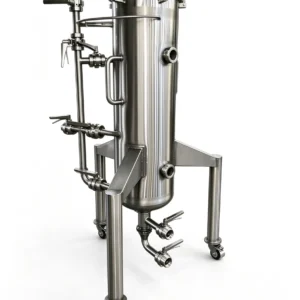
Brewers typically ferment bottom-fermented beer in conical fermenters designed for precise temperature control.
Top-fermented beer generally uses infusion mashing, and brewers ferment it with top-fermenting yeast.
Every yeast strain produces alcohol and a series of fermentation by-products. However, because different yeast varieties generate different by-products during production, the two categories of beer can differ significantly in taste and aroma.
How Beer Is Classified by Color
Beer color is an important quality indicator. Based on color intensity, beer falls into three main categories.
1. Pale Beer
Pale beer has a color of 5.0–14.0 EBC and is the most widely produced beer category, accounting for about 98% of production. Depending on regional preferences, pale beer can be further divided into pale yellow beer, golden beer, and brown-yellow beer.
- Pale yellow beer has a color below 7 EBC. Brewers usually make it from very light-colored malt with relatively low solubility. They keep the mashing time short, limit the wort's exposure to air, and often use non-biological stabilizers to remove some polyphenols. As a result, the beer has a yellow-green rather than reddish-brown hue. It is typically light and refreshing, with a prominent hop aroma.
- Golden beer has a color of 7–10 EBC. The malt used is generally more soluble than that used for pale yellow beer, and non-biological stabilization is milder. It offers a clean, mellow taste with a pronounced hop aroma.
- Brown-yellow beer has a color of 10–14 EBC. The malt used is usually more soluble or has been roasted at a higher temperature with poor ventilation, resulting in a darker color. Longer mashing and greater air exposure also contribute to its color. Its flavor is relatively robust, and its color is yellow with a slight brown tint. Strictly speaking, it should not be called pale beer.
2. Dark Beer
Dark beer has a color of 15.0–40.0 EBC and ranges from reddish-brown to reddish-bronze. It features a prominent malt aroma, a full-bodied taste, and relatively light hop bitterness. In addition to highly soluble dark malt, brewers often use specialty malts such as caramel malt and chocolate malt. Based on color intensity, dark beer can be further divided into:
- Brown beer: 15–25 EBC
- Reddish-brown beer: 25–35 EBC
- Reddish-bronze beer: 35–40 EBC
3. Black Beer
Black beer has a color above 40.0 EBC and ranges from deep reddish-brown to black-brown. It generally has a higher original wort gravity, a strong malt aroma, a full-bodied taste, and fine foam. Bitterness varies widely depending on the product type.
How Beer Is Classified by Original Wort Gravity
Beer also falls into four groups by original wort gravity:
- Low-gravity beer: less than 7°P
- Medium-gravity beer: 7–11°P
- Full beer: 11–14°P
- Strong beer: more than 16°P
How Beer Is Classified by Pasteurization
1. Draft Beer
Brewers do not pasteurize draft beer or subject it to instantaneous high-temperature sterilization. Instead, they sterilize it by physical filtration to achieve a certain level of biological stability.
2. Fresh Beer
Brewers do not pasteurize fresh beer or subject it to instantaneous high-temperature sterilization. It may contain a certain amount of live yeast while achieving biological stability. Fresh beer usually sells locally, offers a fresh taste, and has a relatively short shelf life. It often comes in barrels, though bottled versions also exist.
3. Pasteurized Beer
Pasteurized beer has undergone pasteurization or instantaneous high-temperature sterilization. It usually comes in bottles or cans and can have a shelf life of up to 180 days.
How Beer Is Classified by Production Method
1. Dry Beer
In addition to meeting the technical requirements for pale beer, dry beer must have an actual degree of fermentation of no less than 72% and a dry, crisp taste.
2. Ice Beer
In addition to meeting the technical requirements for pale beer, ice beer must undergo ice crystallization before filtration. It has a pure taste, and its turbidity during shelf life must not exceed 0.8 EBC.
3. Low-Calorie Beer
Low-calorie beer suits consumers who must or wish to reduce their nutrient intake. In Germany, low-calorie beer production is about 100,000 kiloliters, less than 1% of total beer output. There is no limit on original wort gravity, but the product must comply with Germany's 1988 "low-calorie regulations." Key requirements include that fat and alcohol content must not exceed those of comparable ordinary foods, and available carbohydrates must not exceed 0.75 g/100 L.
4. Light Beer
Light beer has no precise definition. It responds to consumer demand for healthier food and is characterized by lower alcohol and fewer calories than other common beers. Light versions can be found among top-fermented, bottom-fermented, pale, and dark beers. Generally speaking, light beer should meet the following criteria: original wort gravity is usually 7.4–8.0°P; without special dealcoholization, alcohol content is 3.0%–3.4% by volume. Compared with Pilsner beer at 4.8%–5.0% alcohol by volume, light beer contains about one-third less alcohol. Dealcoholized light beer can have an alcohol content as low as 1.5%–2%. Fermentation is mostly 68%–82%. Light beer contains 110–1,200 kJ/kg, about 49% of the calories of ordinary beer.
5. Non-Alcoholic Beer
Non-alcoholic beer refers to beer with an alcohol content below 0.5% by volume. It is increasingly popular among consumers. In 1992, non-alcoholic beer accounted for 3.6% of Germany's total beer production. Demand is driven by several factors: more people are pursuing a healthy lifestyle and avoiding alcohol; non-alcoholic beer can be enjoyed at any time without changing familiar tastes; and drivers can drink it without worrying about adverse effects.
There are many production methods for non-alcoholic beer, commonly grouped into three categories: membrane separation, heat treatment, and stopped fermentation.
6. Pure Draft Beer
Pure draft beer is draft beer that brewers do not pasteurize or subject to instantaneous high-temperature sterilization; instead, they sterilize it by physical filtration to achieve biological stability. The word "pure" is added purely for commercial reasons. Because it is not pasteurized or instantly sterilized, the destruction of flavor compounds and nutrients caused by heating is avoided. It retains the fresh taste and nutritional value of beer while offering a relatively long shelf life of up to 180 days. It combines the advantages of fresh beer and pasteurized beer. As a result, pure draft beer is purer, fresher, and more nutritious than pasteurized beer and has become one of the most competitive and popular beer categories on the international market. Since Pearl River Beer launched the first bottled pure draft beer in China, more than 20 pure draft beer production lines have been established in the country. Among them, the Anhui Longjin Brewery was the first canning line for pure draft beer.
Beer is far more than a single beverage. It is a diverse category shaped by yeast, color, original gravity, pasteurization, and production method. Understanding how beer is classified helps consumers choose beer with confidence and gives brewers and distributors a clearer framework for positioning their products. From pale lager and golden ale to dark stout, low-alcohol beer, and pure draft beer, every style has its own story, flavor profile, and market appeal.