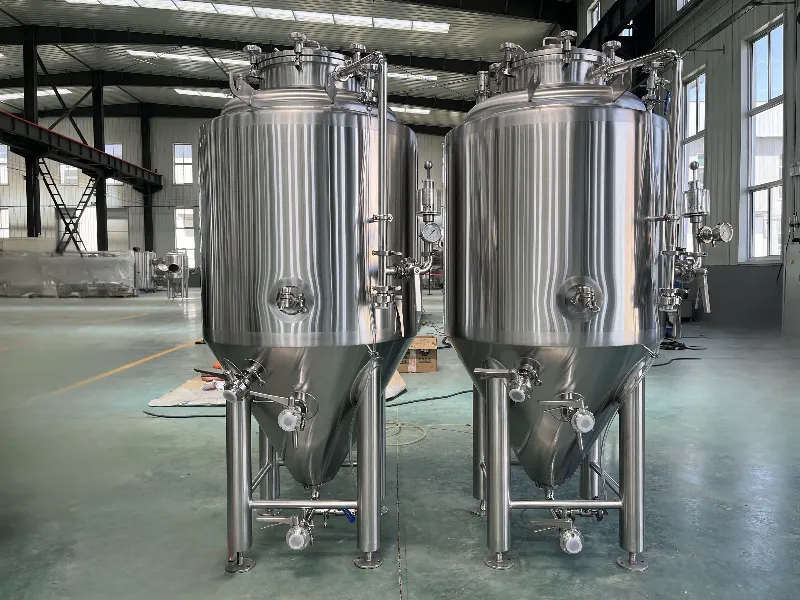
Brewhouse heating methods for your kettle tank or hot liquor tank is a major decision. Several factors come into play, including the scale of your brewing system, available space, desired flavor profile, heating speed, and budget. For commercial brewhouses, the three most widely used options are electric heating, steam heating, and gas burner direct fire heating. Below is a breakdown of their advantages and disadvantages.
Electric Heating
Advantages
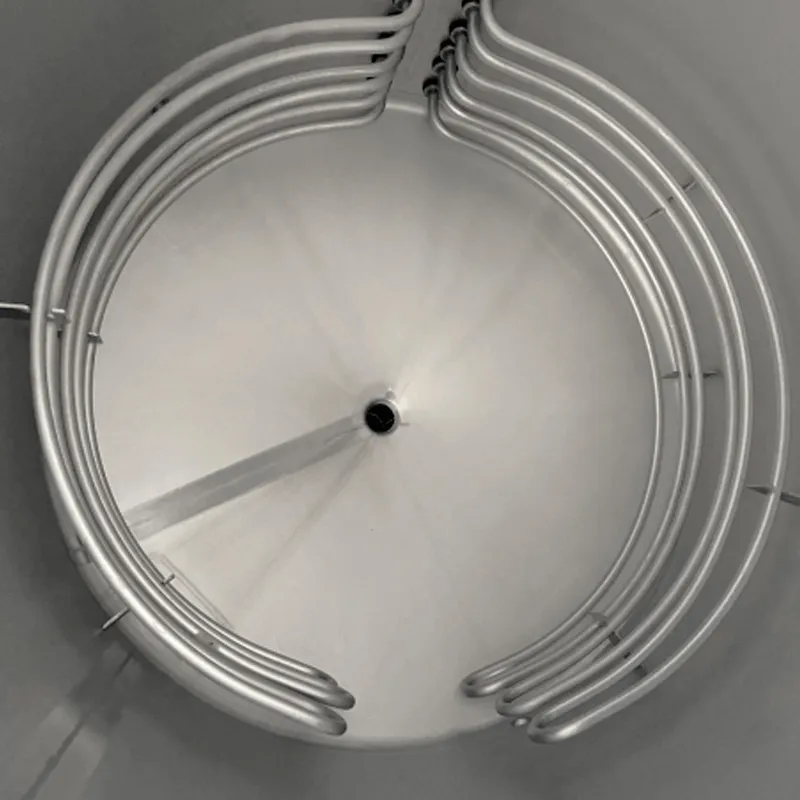
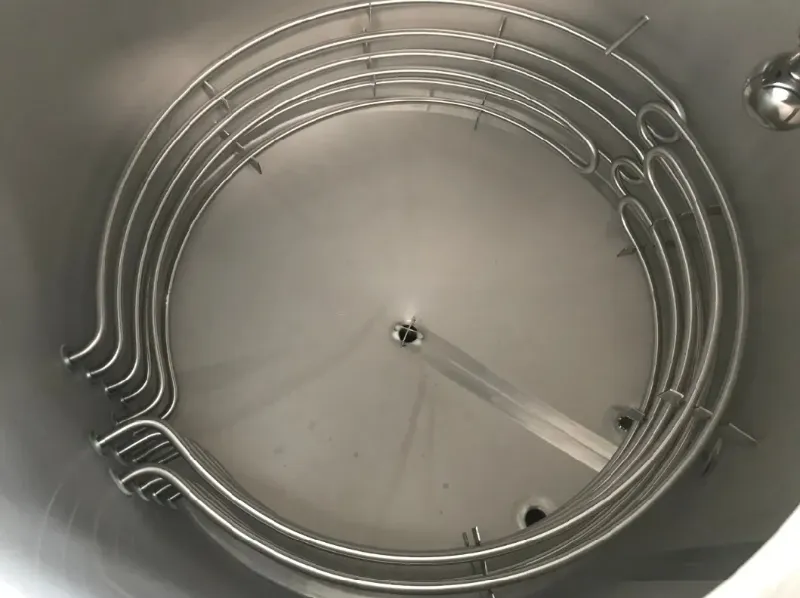
a. Electric heating uses heating elements installed inside the kettle tank. This setup delivers very high efficiency because nearly all the heat produced is transferred directly to the water or wort, making operating costs more predictable.
b. This method is especially common in home brewing systems and small nano breweries. It also makes temperature control relatively straightforward.
Disadvantages
a. Electric brewhouses often need 400–600 amps of electricity and a 3-phase power supply. These requirements are not standard in many parts of the world. As a result, you may need extensive permitting, electrical service upgrades, and infrastructure work before the kettle can be operated safely.
b. Electricity usually costs more than gas on an ongoing basis, and that difference can have a noticeable impact on profitability.
c. Electric kettles are often criticized for slow temperature ramp rates, which can make brew days longer.
d. Cleaning the electric heating tube can be difficult.
e. Electric heating also carries a risk of scorching.
Steam Heating
Steam offers some of the fastest kettle temperature ramp rates because of its large surface area contact. Usually for our brew tanks, 1.5–2 bar steam pressure is recommended. In some countries, however, such as the United States and Canada, only 1 bar is permitted. So this is one reason gas burner direct fire heating is often preferred in those markets.
Advantages
a. Steam heats evenly and quickly, helping to avoid scorching.
b. Temperature control is easy.
c. The heat source can vary: electric, gas, diesel, and others.
Disadvantages
a. Steam-jacketed kettles require significant upfront construction costs because they need specialized pressurized steam jackets, steam traps, and condensate return systems.
b. In most areas, operating steam generators or boilers requires expensive permits and inspections, which can delay your startup timeline.
c. Specialized, costly contractors are usually needed to pass inspection and safely install high-pressure steam lines to the kettle.
d. A steam system can also limit flexibility and future expansion unless you make a major additional investment in a larger system.
Gas Burner Direct Fire Heating
Gas burner direct fire heating uses a powered gas burner mounted outside the kettle. It directs a forced-air flame onto a deflector plate or diffuser inside a fully enclosed fire box beneath the kettle.
Advantages
a. This design greatly lowers the risk of scorching and allows for better control and faster kettle temperature ramp speeds, similar to a steam-jacketed kettle.
b. Forced air burners are low-NOX, efficient, safe, and highly versatile. This design offers a strong balance between cost and performance.
c. Some brewers prefer the caramelization that can occur in gas-fired systems.
Disadvantages
a. Long-term operating costs can be the highest. In an enclosed space, efficiency is often only 25% to 50%, and you may need to provide make-up air and an exhaust system, depending on local requirements.
b. Some buildings may require fire suppression systems. Emissions regulations and requirements for gas burners can also add significant costs and reduce efficiency.
If you have any questions about Brewhouse heating methods,please contact us to discuss together.