
Starting a small commercial brewery is an exciting step for anyone who loves craft beer. But before you can sell your first pint, you need to understand the basic building blocks: ingredients, equipment, and process.
This guide covers the essential ingredients and equipment for micro commercial brewing, with a focus on the machines that help small breweries package beer efficiently and consistently.
Core Ingredients for Micro Commercial Brewing
Beer is made from four main ingredients. Everything else is a matter of style and creativity.
1.Water
Water makes up most of the beer. For commercial brewing, water quality matters. Many breweries use filtered water or adjust water chemistry to match the beer style.
2.Malt and Grains
Malted barley is the most common grain in brewing. Depending on the recipe, brewers may also use wheat, oats, rye, or specialty malts. Grains provide the sugars that yeast will ferment into alcohol.
3.Hops
Hops add bitterness, flavor, and aroma. Adding hops earlier in the boil usually increases bitterness, while adding them later helps preserve aroma.
4.Yeast
Yeast is responsible for fermentation. It converts sugars into alcohol and carbon dioxide. Different yeast strains can create very different flavor profiles.
5.Optional Ingredients
Fruits, spices, herbs, and other adjuncts can be added to create unique seasonal or specialty beers.
Essential Equipment for a Small Commercial Brewery
A microbrewery needs more than a home brewing setup. The equipment should support consistent production, sanitation, and packaging.
1.Brew Kettle
The brew kettle is used for boiling wort. In commercial brewing, kettles are often larger and may be paired with mash tuns and hot liquor tanks.
2.Fermenter
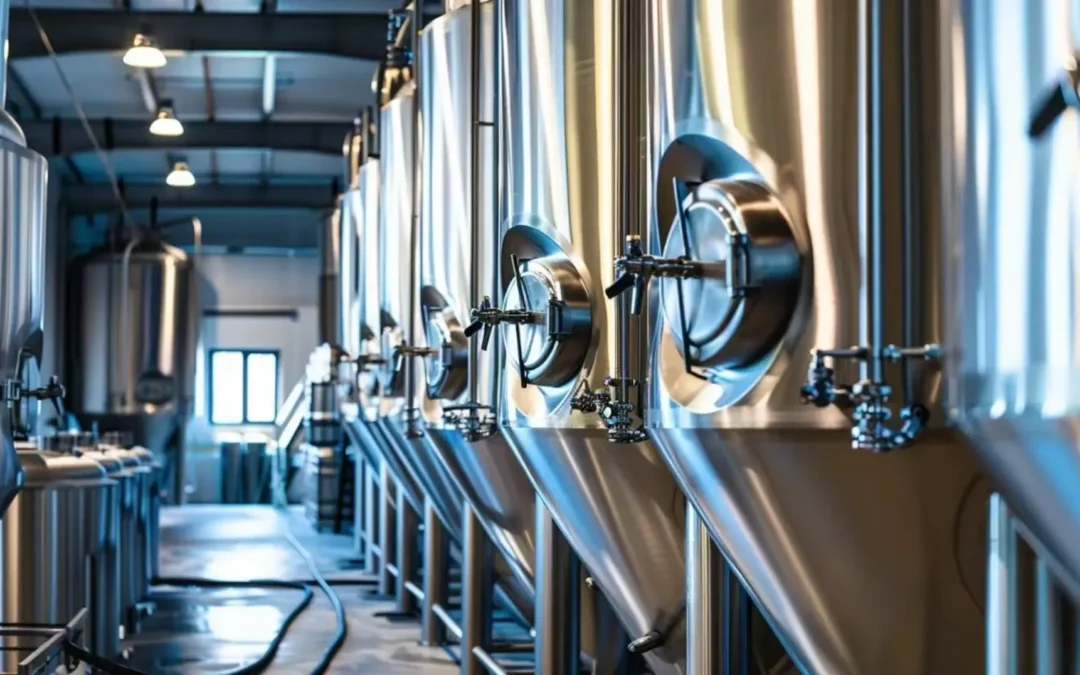
Fermenters are where yeast turns wort into beer. Small breweries may use unitanks or conical fermenters to control fermentation more precisely.
3.Spunding Valve
A spunding valve allows CO2 to escape during fermentation while preventing oxygen from entering. It can also help with natural carbonation.
4.Transfer Hoses and Pumps
These are used to move beer between tanks, fermenters, and packaging equipment. Sanitary fittings and proper cleaning are essential.
5.Bottling Machine
A bottling machine helps fill bottles quickly and consistently. For small commercial breweries, semi-automatic or automatic bottling lines can improve efficiency and reduce waste.
6.Keg Washing Machine
Keg washers clean and sanitize kegs before filling. Proper keg cleaning is critical for beer quality and shelf life.
7.Keg Filling Machine
A keg filler fills kegs with beer while minimizing oxygen pickup. This helps preserve flavor and carbonation.
8.Bottles and Kegs
Finished beer needs packaging. Bottles and kegs are the most common options for small breweries.
9.Thermometer and Monitoring Tools
Temperature control is important throughout brewing. Thermometers, sensors, and controllers help brewers stay consistent.
The Brewing Process at a Glance
1. Mashing
Milled grains are mixed with hot water, usually between 65°C and 71°C (149°F–160°F). Enzymes convert starches into fermentable sugars. This rest usually lasts about an hour.
2. Boiling
The wort is boiled, and hops are added at different stages. Early additions add bitterness; late additions add aroma. The boil typically lasts around 60 minutes.
3. Cooling
After boiling, the wort must be cooled quickly to around 20°C–22°C (68°F–72°F). A wort chiller or ice bath can be used.
4. Fermentation
The cooled wort is transferred to a sanitized fermenter. Yeast is added, and the fermenter is sealed with an airlock or spunding valve. Fermentation usually takes one to two weeks.
5. Packaging
Once fermentation is complete, the beer is transferred to sanitized bottles or kegs. A bottling machine, keg washer, and keg filler are commonly used at this stage. If bottle conditioning, priming sugar may be added to create natural carbonation.
Why Sanitation Matters in Commercial Brewing
Cleanliness is one of the most important parts of brewing. Contaminated equipment can lead to off-flavors, spoilage, and lost batches. For small commercial breweries, a consistent sanitation routine is just as important as the brewing recipe.
Small commercial brewing requires the right ingredients, reliable equipment, and a repeatable process. From water, malt, hops, and yeast to brew kettles, fermenters, bottling machines, keg washers, and keg fillers, every part of the system affects the final beer.
Brewing is both a science and an art. With good equipment, careful sanitation, and consistent practice, new breweries can improve their craft and build a stronger brand.